
CIOs: from uptime to prime time
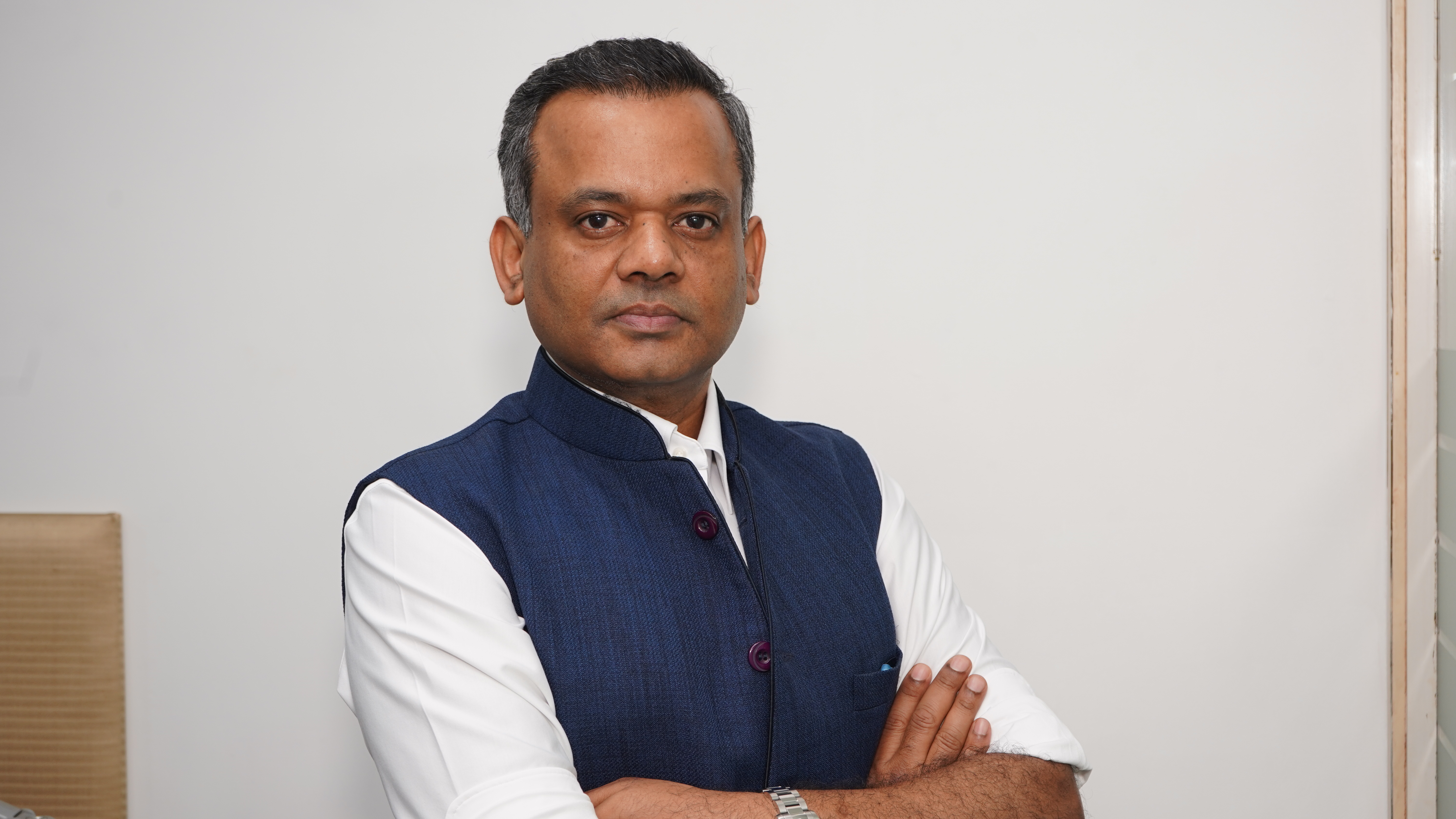
Written by Neetan Chopra, Chief Digital and Information Officer, IndiGo
IT’s journey has been a wild ride. There was a time when point solutions proliferated like weeds, each automating a tiny slice of business. I call this phase of evolution: Transaction IT. Sure, this delivered some ‘quick wins’ across domains, but every win came with a hidden tax: spiraling costs and tangled tech stacks, as technologies morphed under our feet. Enter phase two: Strategic IT. Enterprise architecture became the new religion. Suddenly, we were mapping the entire application landscape, rationalizing what had mushroomed before, and ensuring every new project fit into some grand organizational jigsaw. The language evolved—“alignment,” “enabling”—but let’s not kid ourselves: most businesses still saw IT as a support function. The CIO (or Head of IT, if you prefer) still reported to Finance more often than not. That fact in itself told the real story!
However, the future of IT is already here, just not evenly distributed (quoting William Gibson). I’ve seen firsthand, through my own work and in the research that fueled my book, “Accelerated Digital Transformation” (Kogan Page), that this future is disruptive, digital, exciting, full of potentiality and demands more from the CIO than ever before.
Any business is a cocktail of its business model, its operating model, and its culture. In an excellent course with London Business School, I had learnt that a business model is about value creation and value capture, whereas operating model is about value delivery across scale, scope and learning. And IT is now moving the levers on all three dimensions of any business. Take Shein— the fashion juggernaut. They churn out over a million fashion designs each year, leaving their closest rivals eating dust at 20-30,000 items. They’re valued at north of $40B for a reason: they’re not a fashion company powered by IT; they’re an IT company that happens to sell fashion. Or look at Moderna. CEO Stéphane Bancel nailed it: “We are a technology company that happens to do biology.” Their digital-first approach led to the fastest vaccine go-live in history and a market cap of $31.61B as of August 2024. These businesses don’t just use IT—they are IT.
This isn’t just a trend. It’s an inflection point. Digitally native companies—and smart incumbents— are wielding technology to invent new business models and, more crucially, to overhaul their operating models. As I argued in “Accelerated Digital Transformation,” the old industrial playbook was all about economies of supply. Scale scale scale, and initially it all works in your favor till you hit the tipping where costs ramp up due to complexity, innovation stalls and you are in the zone of diminishing returns.
But digital operating models play a completely different game: economies of demand. With network effects and AI-driven learning, every additional unit, customer, or transaction drive marginal costs closer to zero. Think Amazon—synonymous with scale, scope, and speed, built on a meticulously engineered digital backbone.
In context of such profound change and impact, what then is the future of IT? I call this future: Transformative IT. This is where the CIO morphs. No longer the guardian of infrastructure or the “enabler” function, the CIO becomes the architect of business reinvention. Too many companies still relegate IT and their CIO to the sidelines, treating digital and AI as playgrounds for edge-case innovation. Sure, you might get a shiny new app or spark a side hustle, but unless the core of the organization is re-engineered, you’re just rearranging deck chairs on the Titanic.
The DNA of the business must change. That means the CIO and CEO need to be partners—co founders in transformation. Forget the endless jargon about “business-IT alignment.” Sunset it. Kill it. The new mandate is for IT to work hand-in-glove with the CEO, with a license to reimagine and reinvent—not just tweak—how value is delivered. Digital and AI aren’t about trimming around the edges; they’re about reinventing the operating model from the ground up.
The CIO, once boxed in as a cost center manager, is now uniquely positioned for the top seat. They see the business from every angle: tech, people, process, commercial. They understand network effects and platform thinking, and they’re fluent in the language of both value creation and delivery. In a world where transformation is a constant, this is the expertise enterprises need in the CEO.
The future of IT is here—in fits and starts, yes, but it’s real. My hope is that more boards and leadership teams embrace the ethos of transformative IT. Unleash your CIOs. Give them the remit to reinvent, not just support. The next chapter of business won’t be written by those who dabble at the edge—it will be led by those who fuse IT and business at the core. For customers. For employees. For shareholders. For the future.