

The Future of Leadership: When Authority No Longer Comes With the Chair
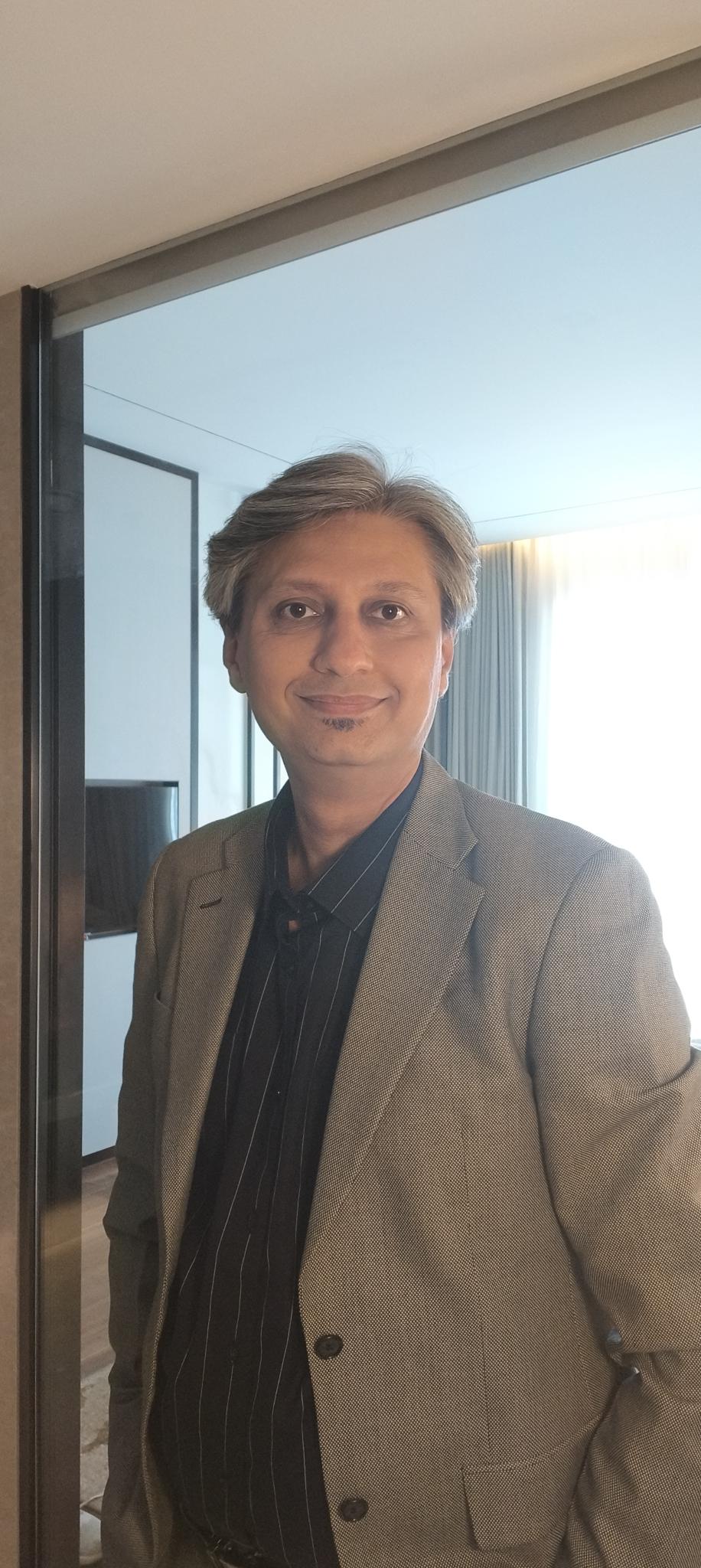
Written by Gaurang Vora, SVP & Head of Technology at GlobalPay WSFx
For many years leadership in organisations was associated with position. The chair at the head of the table was heavy. The title on the visiting card put distance. Experience often stopped arguments before they started.
That world is moving.
The next generations to join the workforce - Gen Z, then Gen Alpha, and then Gen Beta won’t reject leadership. But they will distrust power that is not earned. They have grown up in an open information society, where skill is evident and influence does not always come from hierarchy. Today’s 22-year-old can pick up a new technology, design a product, challenge an assumption or understand a market trend faster than many organizations can update a policy statement.
This is not a threat to the leaders. It’s a sign.
Leadership of the future will not be about who sits in the highest chair in the room. It will be about clarity when everyone has information, judgment when everyone has perspectives, and direction when everyone has options.
In technology, the transition is more pronounced. Younger professionals are coming in with a new connection with tools, learning, and authority. They are comfy for experimentation. They are not afraid to ask why? They don’t accept process because “this is how it’s always been done.” Sometimes, this might be an uneasy feeling for the leaders who have developed their careers in more organized, command-driven situations.
But pain is typically where leadership develops.
The leader of the future will have to go from control to credibility. The question will not be, “Do people report to me?” The actual question is going to be, “Do people trust my judgement when it’s not clear?”
That trust will not be earned by designation. It comes from being consistent, from honouring promises, transparently in decision-making, of admitting ignorance to standing tall for the team when under stress. To not bending standards when it seems easy to take a shortcut.
Gen Z and the following generations will follow leaders who are helpful to their development. They will admire leaders who can explain the “why” of decisions. They will confront leaders who hide behind hierarchy. And soon they will see the difference between confidence and insecurity.
That doesn't mean leadership should be casual or watered down. No, on the contrary, in the future we will need tougher leaders, not gentler ones. But strength will be different, it will not be a noisy authority it will be the quiet confidence. It will not be command for command's sake, it will be context with direction.
The best leaders will be able to blend experience with transparency. They will come with the wisdom of having witnessed cycles, failures, recoveries and transformations. And at the same time they will be modest enough to learn from others who see the world differently.
After years in IT leadership, one thing becomes clear; people don’t perform at their best just because someone is senior. When the leader is fair, straightforward, competent and committed to a meaningful objective they offer their best.
The chair may still be authoritative.
But leadership must be earned every day.